CONTACT US

SERVICES
Welcome to J&M Remedial ServicesTo contact us please call:
Tel: 01452 721 532 Email: info@jandmremedialservices.co.uk J&M Remedial Services 136 Courtfield Road Quedgeley Gloucester Gloucestershire GL2 4UFAreas covered:
Gloucestershire Worcestershire Herefordshire MonmouthshireYou can join us on
YOUR LOCAL SPECIALIST SUPPLIER
We offer expert advice at all times and provide the best solution available to fix the problem, we don't do quick fixes. We also offer preventative solutions to help protect your property from damp and condensation and other remedial problems. Damp and timber decay can be major problems with any property and J&M are dedicated to offer the best possible solution at all times to our clients.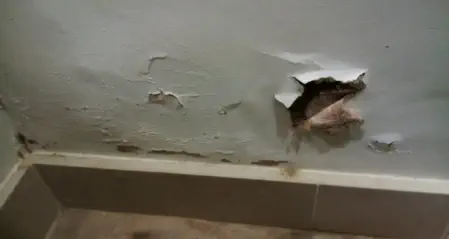
Over 40 years experience
J&M is a privately owned family business established in 1981 with over 40 years experience in the building industry. J&M have developed a strong local reputation as one of the best in the trade.Damp proofing
Damp proofing a property is to create a barrier which protects the structure from absorbing moisture from the ground.Timber treatment
Timber is susceptible to attack by FUNGAL DECAY and/or INSECT INFESTATION. Ignoring the decay of any timber will encourage insect infestation.LOOKING TO THE FUTURE
Researching and reviewing new products and systems to ensure the most appropriate are used.REMEDIAL TREATMENT
Some of our services we provideRising Damp
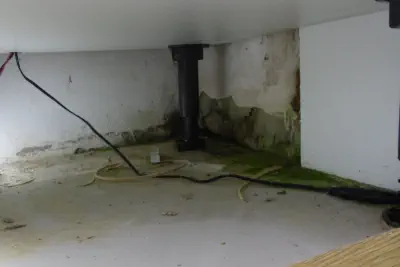
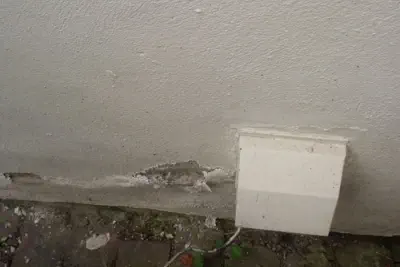
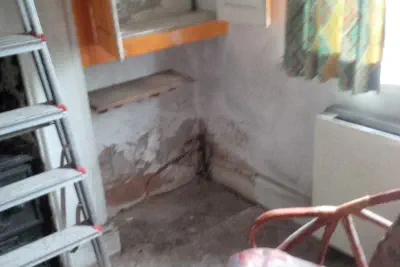
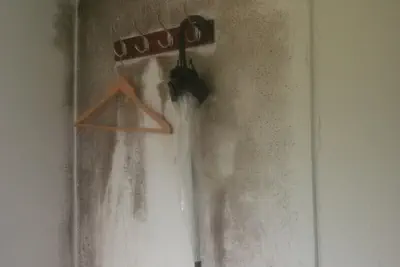
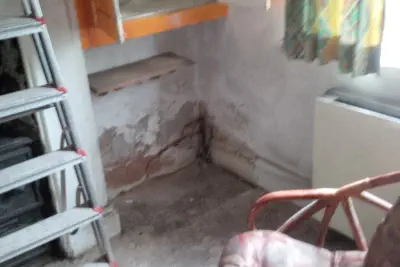
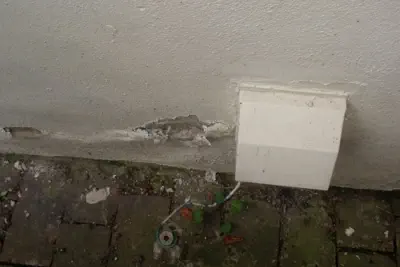
Rising damp is caused by ground water which is moves up the walls through direct contact with the brickwork. If your damp patches are appearing on your first floor or high up on a walls then it is unlikely that the problem is due to rising damp. You will normally notice the damage from rising damp appearing first around the skirting boards and floorboards, plaster will start to crumble and wallpaper and paint will start to peel off. Every wall is likely to retain some water but usually it is stopped by a protective barrier called a damp-proof course. If this is missing or ineffective from your building then the walls may start to suffer from rising damp and you should seek assistance from a damp proofing surveyor.Structural Waterproofing
Structural waterproofing is used to protect a structure from rising or penetrating damp by the use of a physical barrier. It can be used for: • Party Walls • Basement conversions • Swimming pools • Garage conversions (single skin) • Installation of a wet room • Properties built into a bank • Bunds to fluid tanks in factories/farms • Lining of concrete slurry tanks (agricultural use) • Concrete floors where there is no membrane • Areas of penetrating dampCondensation
By far the most common form of dampness found in the home, condensation is caused from the moisture that is present in the air from cooking, cleaning, washing and breathing. This moisture enters the warm atmosphere and turns to condensation on contact with cool surfaces, or as it loses heat in cooler surroundings. Condensation problems can be exacerbated by poorly installed or inefficient ventilation, and heating that comes on and off which allows warm, damp air to condense. What usually starts off as water droplets on windows and walls can soon turn to streaming windows and mould growth. The problem can quickly spread throughout a property and can cause serious damage to the structure. Unlike rising and penetrating damp, left untreated, condensation can be seriously harmful to your health.Dry Rot
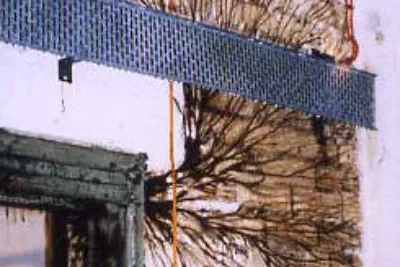
Dry rot is a fungus that destroys timbers in buildings, and if left untreated, can lead to structural damage. It can travel through other materials including masonry, and therefore has the ability to spread quickly. Dry rot will only start in damp timbers, therefore the cause of the dampness must be established. This could be a leaking roof, gutter, or even a leaking shower tray or washing machine. Condensation is a major contributor, as are rising or penetrating damp.Penetrating Damp
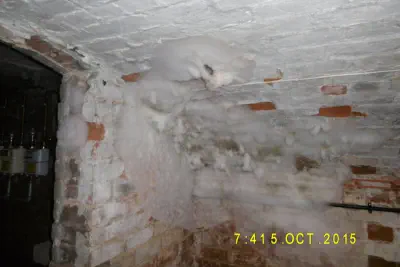
Penetrating damp is caused by water leaking through the walls rather than rising up from ground level. This type of damp is usually caused by structural problems in a building such defective roofing, guttering or brickwork. You can usually spot penetrating damp problems through the presence of watermarks that appear on the walls, damaged plaster, salt deposits, powdery surfaces and blistering or bubbles appearing on the plaster.Basement Conversions
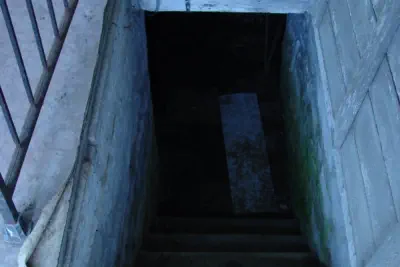
To successfully convert your basement to a useable space, you must start with a full survey. This is the opportunity to assess problems and consider how the basement will be used. The purpose of the conversion may require a different specification. Basements are often ignored, and this can lead to future problems for the rest of the property. It can be a source of future damp and other issues if not addressed.Timber Treatment
Timber is susceptible to attack by FUNGAL DECAY and / or INSECT INFESTATION. Fungal Decay When timber remains wet for some time, decay can occur as a result of attack by one of a number of wood-destroying fungi. The most well known are Dry Rot (serpula lacrymans), Cellar Fungus (coniophora puteana) and Mine Fungus (Poria vaillantii) The fungi will only attack wet timber, so finding and eradicating the source of dampness is essential.Damp Proofing
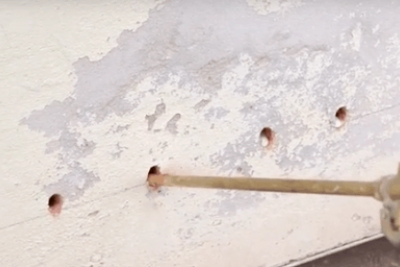
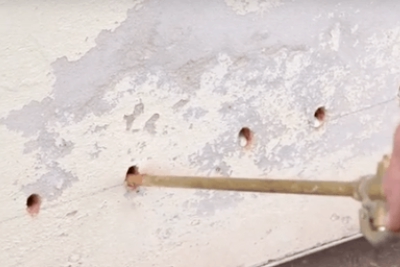
Damp poofing a property is to create a barrier which protects the structure from absorbing moisture from the ground. This can be achieved by the injection of a chemical damp proof course. Other solutions may be the installation of a structural waterproofing system. J & M Remedial Services will survey your property and advise on the most effective treatment. If you come across the following your property may be suffering from rising damp: • Rotting skirting boards • Mould on ground floor lower walls • Flaking paint • Cracked plasters • Salt contamination • Musty smell • Condensation – black mouldBlack Mould
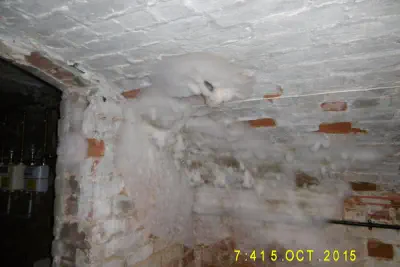
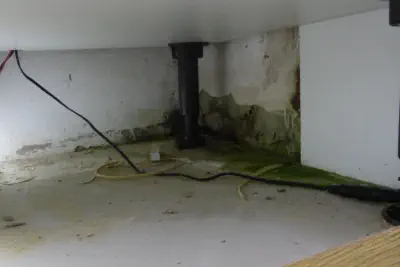
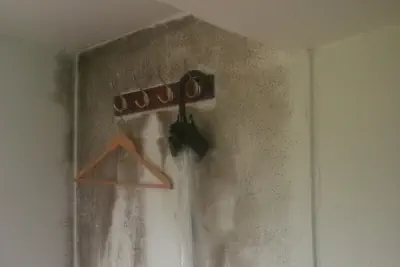
We have all come across mould in the home, particularly in the kitchen and bathroom, but where does it come from? Moulds are fungi - their spores are always present in the air and easily find their way inside buildings. To survive they need moisture, oxygen and humidity and in these conditions will grow quickly. Mould is particularly associated with condensation, which provides the perfect environment for the moulds to grow quickly. They will spread on damp surfaces such as plaster and timber, but will also affect furnishings and decorations. Many of us will tolerate the damp caused by condensation, but we are more concerned when this develops mould which looks unsightly and can cause damage to decorations and furnishings. Although not all moulds are toxic, there is some risk to health as mould spores can generate allergic reactions and impact on the respiratory and general health of the occupants.Stop the Cold Without Losing
Your Space.
Introducing ISO-THERM: The ultra-thin, patented thermal wall insulation that eliminates damp and mould while keeping your rooms exactly the size they are.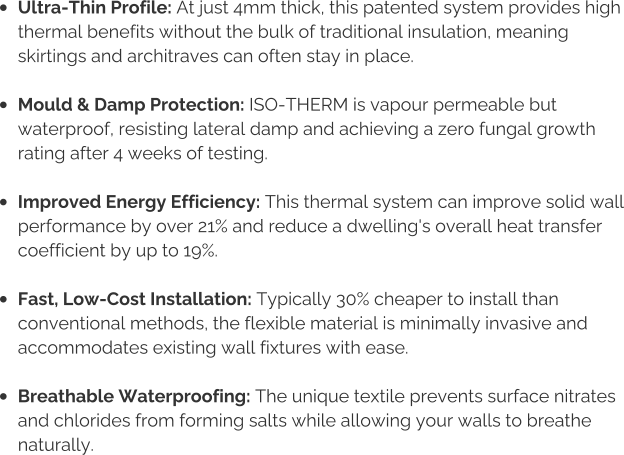


THI
N
I
NT
ERNAL WALL INS
ULATION AND DA
MP C
O
NTROL
(T
IWI)
ISO-THERM
J & M Remedial Services is proud to provide ISO-THERM, a new and innovative patented textile-based thermal system
designed for dry and warm walls. This ultra-thin (+/-4mm) insulation is highly resistant to surface mould and provides
substantial energy savings for solid wall homes with minimal disruption to your living space. Our professional installation
ensures your walls remain breathable yet waterproof, protecting your property from damp while significantly improving
thermal comfort.




CONTACT US
SERVICES
Welcome to J&M Remedial ServicesTo contact us please call:
Tel: 01452 721 532 Email: info@jandmremedialservices.co.uk J&M Remedial Services 136 Courtfield Road Quedgeley Gloucester Gloucestershire GL2 4UFAreas covered:
Gloucestershire Worcestershire Herefordshire MonmouthshireYou can join us on
YOUR LOCAL SPECIALIST
SUPPLIER
We offer expert advice at all times and provide the best solution available to fix the problem, we don't do quick fixes. We also offer preventative solutions to help protect your property from damp and condensation and other remedial problems. Damp and timber decay can be major problems with any property and J&M are dedicated to offer the best possible solution at all times to our clients.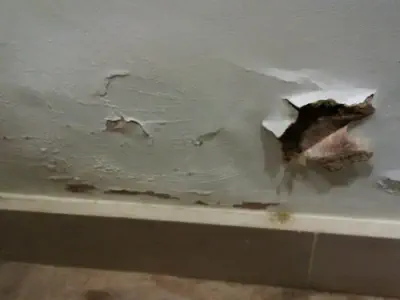
Over 40 years experience
J&M is a privately owned family business established in 1981 with over 40 years experience in the building industry. J&M have developed a strong local reputation as one of the best in the trade.Damp proofing
Damp proofing a property is to create a barrier which protects the structure from absorbing moisture from the ground.Timber treatment
Timber is susceptible to attack by FUNGAL DECAY and/or INSECT INFESTATION. Ignoring the decay of any timber will encourage insect infestation.LOOKING TO THE
FUTURE
Researching and reviewing new products and systems to ensure the most appropriate are used.REMEDIAL TREATMENT
Some of our services we provideRising Damp
Rising damp is caused by ground water which is moves up the walls through direct contact with the brickwork. If your damp patches are appearing on your first floor or high up on a walls then it is unlikely that the problem is due to rising damp. You will normally notice the damage from rising damp appearing first around the skirting boards and floorboards, plaster will start to crumble and wallpaper and paint will start to peel off. Every wall is likely to retain some water but usually it is stopped by a protective barrier called a damp-proof course. If this is missing or ineffective from your building then the walls may start to suffer from rising damp and you should seek assistance from a damp proofing surveyor.Structural Waterproofing
Structural waterproofing is used to protect a structure from rising or penetrating damp by the use of a physical barrier. It can be used for: • Party Walls • Basement conversions • Swimming pools • Garage conversions (single skin) • Installation of a wet room • Properties built into a bank • Bunds to fluid tanks in factories/farms • Lining of concrete slurry tanks (agricultural use) • Concrete floors where there is no membrane • Areas of penetrating dampCondensation
By far the most common form of dampness found in the home, condensation is caused from the moisture that is present in the air from cooking, cleaning, washing and breathing. This moisture enters the warm atmosphere and turns to condensation on contact with cool surfaces, or as it loses heat in cooler surroundings. Condensation problems can be exacerbated by poorly installed or inefficient ventilation, and heating that comes on and off which allows warm, damp air to condense. What usually starts off as water droplets on windows and walls can soon turn to streaming windows and mould growth. The problem can quickly spread throughout a property and can cause serious damage to the structure. Unlike rising and penetrating damp, left untreated, condensation can be seriously harmful to your health.Dry Rot
Dry rot is a fungus that destroys timbers in buildings, and if left untreated, can lead to structural damage. It can travel through other materials including masonry, and therefore has the ability to spread quickly. Dry rot will only start in damp timbers, therefore the cause of the dampness must be established. This could be a leaking roof, gutter, or even a leaking shower tray or washing machine. Condensation is a major contributor, as are rising or penetrating damp.Penetrating Damp
Penetrating damp is caused by water leaking through the walls rather than rising up from ground level. This type of damp is usually caused by structural problems in a building such defective roofing, guttering or brickwork. You can usually spot penetrating damp problems through the presence of watermarks that appear on the walls, damaged plaster, salt deposits, powdery surfaces and blistering or bubbles appearing on the plaster.Basement Conversions
To successfully convert your basement to a useable space, you must start with a full survey. This is the opportunity to assess problems and consider how the basement will be used. The purpose of the conversion may require a different specification. Basements are often ignored, and this can lead to future problems for the rest of the property. It can be a source of future damp and other issues if not addressed.Timber Treatment
Timber is susceptible to attack by FUNGAL DECAY and / or INSECT INFESTATION. Fungal Decay When timber remains wet for some time, decay can occur as a result of attack by one of a number of wood-destroying fungi. The most well known are Dry Rot (serpula lacrymans), Cellar Fungus (coniophora puteana) and Mine Fungus (Poria vaillantii) The fungi will only attack wet timber, so finding and eradicating the source of dampness is essential.Damp Proofing
Damp poofing a property is to create a barrier which protects the structure from absorbing moisture from the ground. This can be achieved by the injection of a chemical damp proof course. Other solutions may be the installation of a structural waterproofing system. J & M Remedial Services will survey your property and advise on the most effective treatment. If you come across the following your property may be suffering from rising damp: • Rotting skirting boards • Mould on ground floor lower walls • Flaking paint • Cracked plasters • Salt contamination • Musty smell • Condensation – black mouldBlack Mould
We have all come across mould in the home, particularly in the kitchen and bathroom, but where does it come from? Moulds are fungi - their spores are always present in the air and easily find their way inside buildings. To survive they need moisture, oxygen and humidity and in these conditions will grow quickly. Mould is particularly associated with condensation, which provides the perfect environment for the moulds to grow quickly. They will spread on damp surfaces such as plaster and timber, but will also affect furnishings and decorations. Many of us will tolerate the damp caused by condensation, but we are more concerned when this develops mould which looks unsightly and can cause damage to decorations and furnishings. Although not all moulds are toxic, there is some risk to health as mould spores can generate allergic reactions and impact on the respiratory and general health of the occupants.Stop the Cold Without
Losing Your Space.
Introducing ISO-THERM: The ultra-thin, patented thermal wall insulation that eliminates damp and mould while keeping your rooms exactly the size they are.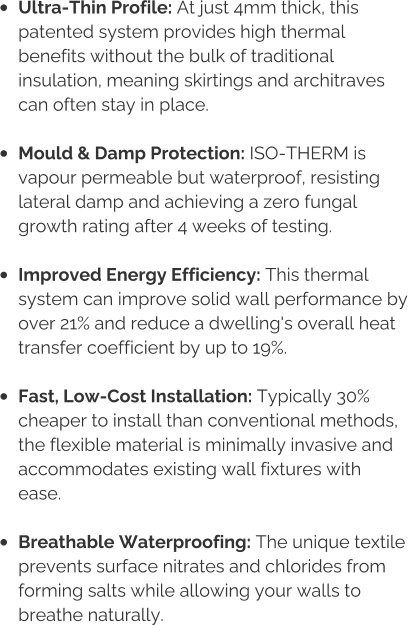



THI
N
I
NT
ERNAL WALL
INS
ULATION AND DA
MP
C
O
NTROL
(T
IWI)
ISO-THERM
J & M Remedial Services is proud to provide
ISO-THERM, a new and innovative patented
textile-based thermal system designed for dry
and warm walls. This ultra-thin (+/-4mm)
insulation is highly resistant to surface mould
and provides substantial energy savings for
solid wall homes with minimal disruption to your
living space. Our professional installation
ensures your walls remain breathable yet
waterproof, protecting your property from damp
while significantly improving thermal comfort.